
DrDead Interactive
@drdeadinteractive · Sep 12
310
Publish a living game page, share devlogs, collect reviews, run playtests, and let every update turn into proof players can follow.
Game pages · Devlogs · Reviews · Studios · Lists · Playtests
Live from the community
DrDead Interactive
@drdeadinteractive · Sep 12
KaalePaapa
@kaalepaapa · Sep 1
KaalePaapa
@kaalepaapa · Aug 24

Camp Paradise: Island Resort Tycoon
A claimable listing for Camp Paradise: Island Resort Tycoon by Craig.
KaalePaapa
@kaalepaapa · Aug 8

Chihurumnaya Mark
@chihurumnayamark · Aug 7
Chihurumnaya Mark
@chihurumnayamark · Aug 7
Sonia
@soruchi95 · Aug 11
Your website is already giving me a kul vibe, I'm impressed.
Chihurumnaya Mark
@chihurumnayamark · Aug 6
Chihurumnaya Mark
@chihurumnayamark · Aug 6
Chihurumnaya Mark
@chihurumnayamark · Aug 6
Project Screams
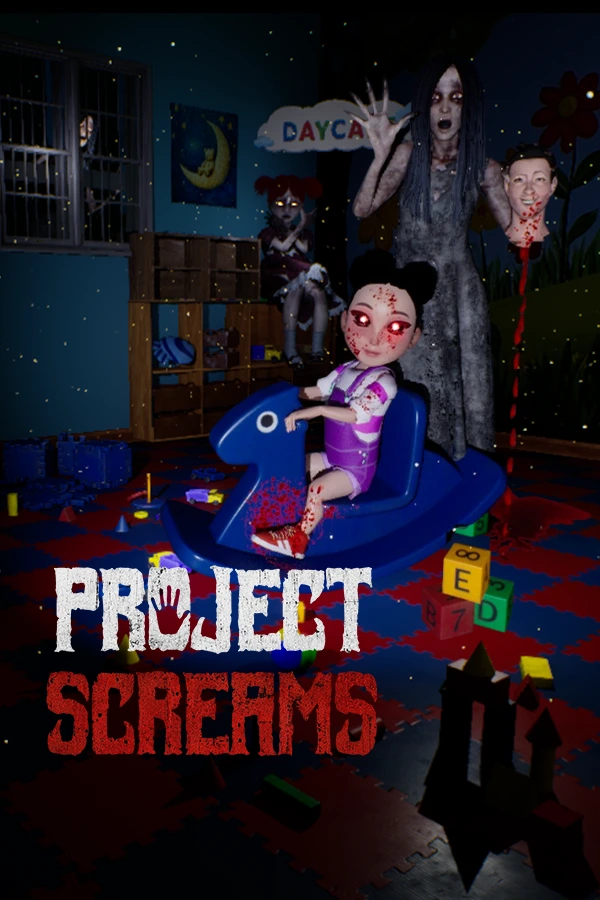
Project Screams is a 1-8 player online co-op horror game set inside a disturbing daycare. Memorize each floor, spot what has changed, and vote together to decide whether it’s Norma
Chihurumnaya Mark
@chihurumnayamark · Aug 5
Chihurumnaya Mark
@chihurumnayamark · Aug 5

Chihurumnaya Mark
@chihurumnayamark · Aug 11
Have you ever built something you can't wait for the whole world to try? Splinter city! I Love it so much!
DrDead Interactive
@drdeadinteractive · Sep 12
KaalePaapa
@kaalepaapa · Sep 1
KaalePaapa
@kaalepaapa · Aug 24
Camp Paradise: Island Resort Tycoon
A claimable listing for Camp Paradise: Island Resort Tycoon by Craig.
KaalePaapa
@kaalepaapa · Aug 8
Chihurumnaya Mark
@chihurumnayamark · Aug 7
Chihurumnaya Mark
@chihurumnayamark · Aug 7
Sonia
@soruchi95 · Aug 11
Your website is already giving me a kul vibe, I'm impressed.
Chihurumnaya Mark
@chihurumnayamark · Aug 6
Chihurumnaya Mark
@chihurumnayamark · Aug 6
Chihurumnaya Mark
@chihurumnayamark · Aug 6
Project Screams
Project Screams is a 1-8 player online co-op horror game set inside a disturbing daycare. Memorize each floor, spot what has changed, and vote together to decide whether it’s Norma
Chihurumnaya Mark
@chihurumnayamark · Aug 5
Chihurumnaya Mark
@chihurumnayamark · Aug 5
Chihurumnaya Mark
@chihurumnayamark · Aug 11
Have you ever built something you can't wait for the whole world to try? Splinter city! I Love it so much!
Dev logs, playtest rounds, and reviews landing across games on Checkpoint Zero — a live trail of proof instead of a one-time announcement spike.
Every update strengthens the same game page. Players discover the work, respond to it, and return with more context for the next build.
Create the home
Shape a clear game page with the pitch, media, links, status, and team behind it.
Show the work
Share dev logs, screenshots, milestones, polls, and the decisions changing the build.
Reach new players
Updates move through the feed, search, tags, rankings, and the game page itself.
Gather context
Comments, ratings, reviews, and reactions stay connected to the project that earned them.
Compound interest
Followers and wishlists give the next build an audience that already knows the story.
Platform updates, community highlights, industry notes, and stories that help players and builders understand what is moving.
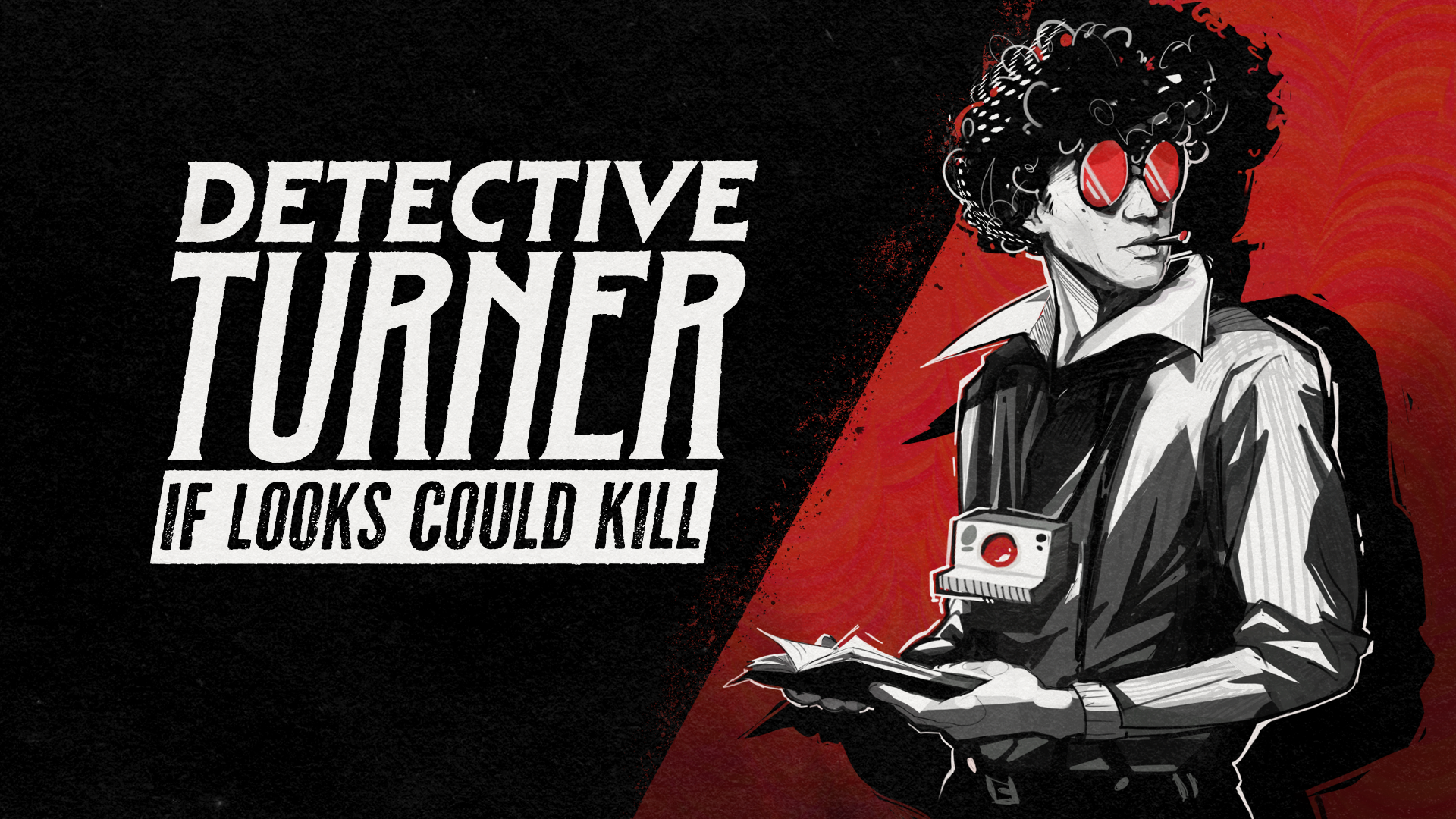
Detective Turner: If Looks Could Kill is a 2027 text-driven noir mystery where players investigate the death of fashion icon Margot Voss by reading rooms, photographing evidence, a
Detective Turner: If Looks Could Kill is a text-driven noir murder mystery coming to Steam in 2027 from developer Riker and publisher ALL DAY ALL NIGHT. Players investigate the death of fashion icon Margot Voss by scanning text, photographing evidence with a P
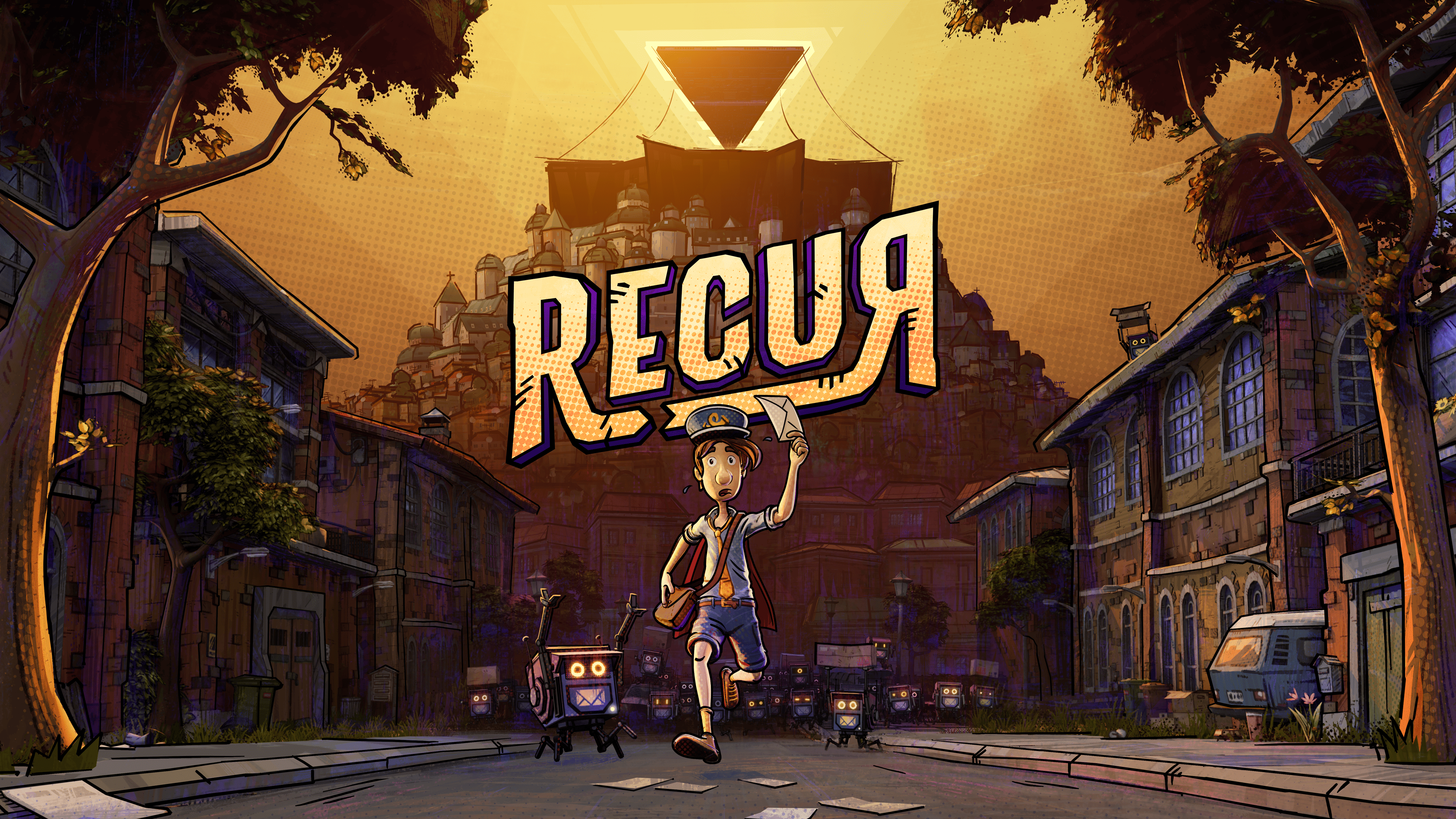
RECUR, the upcoming atmospheric puzzle platformer from kaleidoscube, gives an ordinary postman the power to control time as the world collapses around him. Published by Astra Logical and Klei Publishing, the game is available to wishlist on Steam, with its rel

SKROLL, an upcoming indie strategy roguelike from Emilio Rivas, Luis Suárez, and Rubén García, is planned for release on Steam in 2026. Published by CYCLOPS GAMES, the game turns social-media addiction into a satirical survival loop where players manage dopami
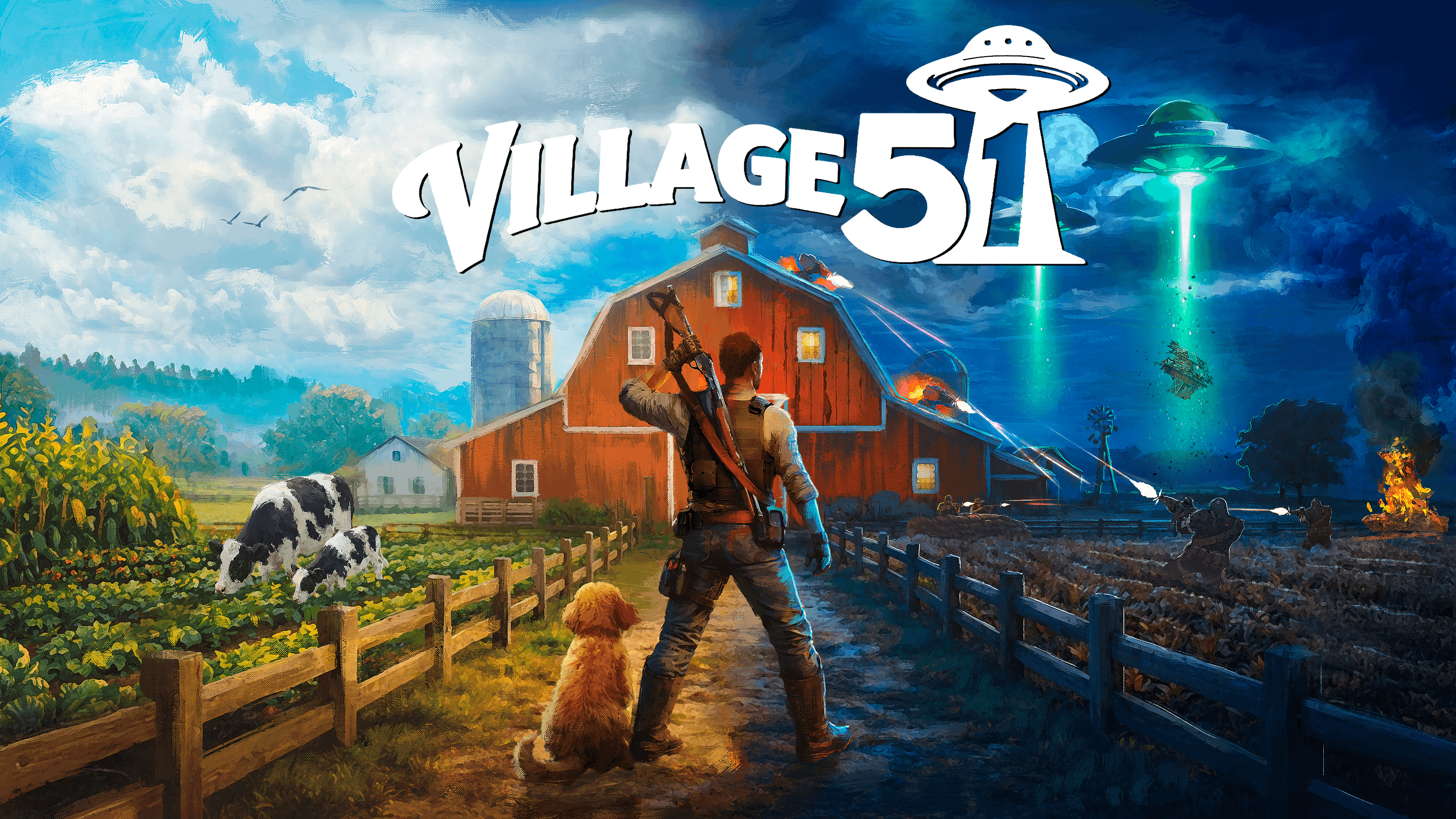
Karman Studios has teased the official trailer reveal for Village51, an in-development survival, strategy, and management game planned for 2026. The game mixes daytime farm and village management with nighttime defense, exploration, camps, skill-tree progressi

Solo developer Vincent Dgoat is launching Susanoo: Typing Soulslike on Steam on July 30, 2026. The short single-player action game mixes typing-based attacks with timing-focused parries, turning keyboard accuracy into a soulslike combat system inspired by Seki
Public build surface
One public page carries the pitch, media, devlogs, reviews, studio credits, playtests, and every signal that makes an unfinished game feel alive.
Explore gamesA shareable home with pitch, media, team, status, links, and community signals.
Progress posts stay connected to the project instead of disappearing into a feed.
Player feedback is readable, rated, and tied to the actual game page.
Invite testers, collect private feedback, and separate signal from public reviews.
Show who made the game, invite collaborators, and build identity around the work.
Press kit built in

Featured game
A quiet science-fiction adventure about tracing a signal beyond the last mapped checkpoint.
Press desk
No stale Dropbox folder. No hunting through old emails. Every approved asset stays beside the game.
Trailers
Gameplay, launch, teaser
Media library
15 press-ready images
Download pack
Logos, key art, factsheet
What is Checkpoint Zero?
Instead of scattering progress across trailers, threads, posts, and spreadsheets, Checkpoint Zero gives every game a permanent place where interest compounds.

Devlog attached
Clips, notes, comments, and tester feedback all point back to the same game.
Every post, review, and update makes the same public URL stronger.
Devlogs carry clips, polls, comments, and the build history players need.
Public reviews and private playtests support different decisions.
For creators and players
Players can follow a game before launch. Creators get a public trail of proof instead of a one-time announcement spike.
Players can track projects before launch and return when meaningful updates ship.
Activity, tags, rankings, articles, and public pages make browsing feel alive.
Comments and replies stay close to the game or update that created them.
Team credits, reviews, and history turn interest into confidence.

Checkpoint Pro
+38%
Qualified interest after updates
24
Playtest responses ready
91
External actions tracked
1.2k
Followers watching the build
Serious builders
Analytics and private playtests help developers understand what is attracting players, where interest drops off, and what deserves the next build cycle.
See which devlogs bring players back.
Run private playtest rounds before public release.
Track store clicks and external interest without guessing.
Why it works
Reviews, update history, team identity, conversations, and playtest activity make a game easier to trust before launch day.
Players can find games through activity, tags, rankings, articles, and public pages.
Reviews, team credits, update history, and Pro identity make projects easier to trust.
Comments and replies stay close to the game or update that created them.
Pro analytics and playtests turn attention into practical next steps.
Publish a living game page, share devlogs, collect reviews, run playtests, and let momentum compound instead of resetting with every post.
Game pages · Devlogs · Reviews · Studios · Lists · Playtests